Healing Environment: Lighting for Hospitals and Wellness Spaces
Category:
TIPS
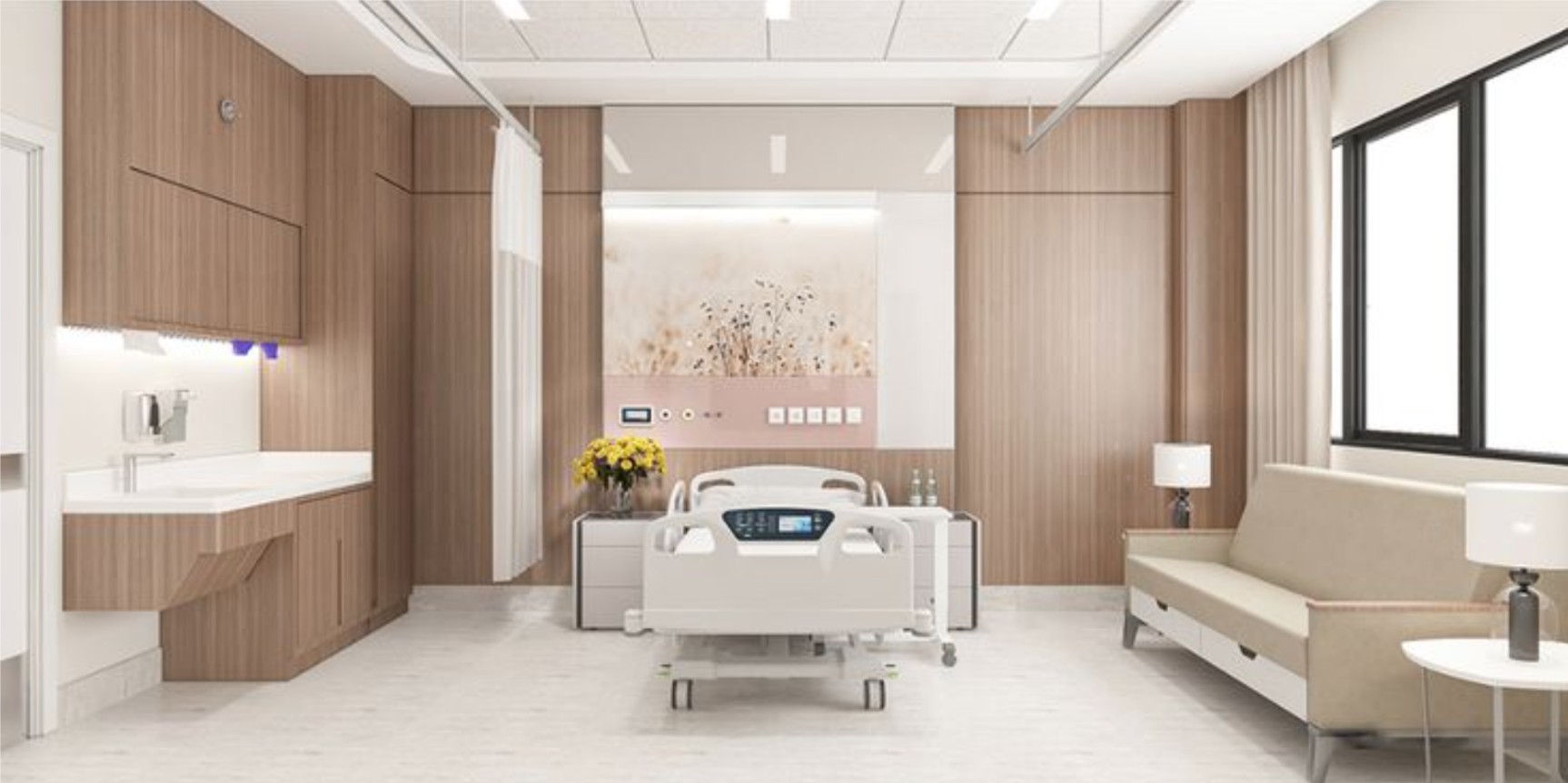
Hospitals or any wellness spaces are no longer a place we go when something goes wrong. They are more than just medicines and procedures. They are designed to nurture the mind and body together, providing patients with comfort, reassurance, and a healing atmosphere, making the patient feel more safe, calm, and cared for. Here, every detail, from architecture to lighting, is shaped with one purpose: to enhance well-being.
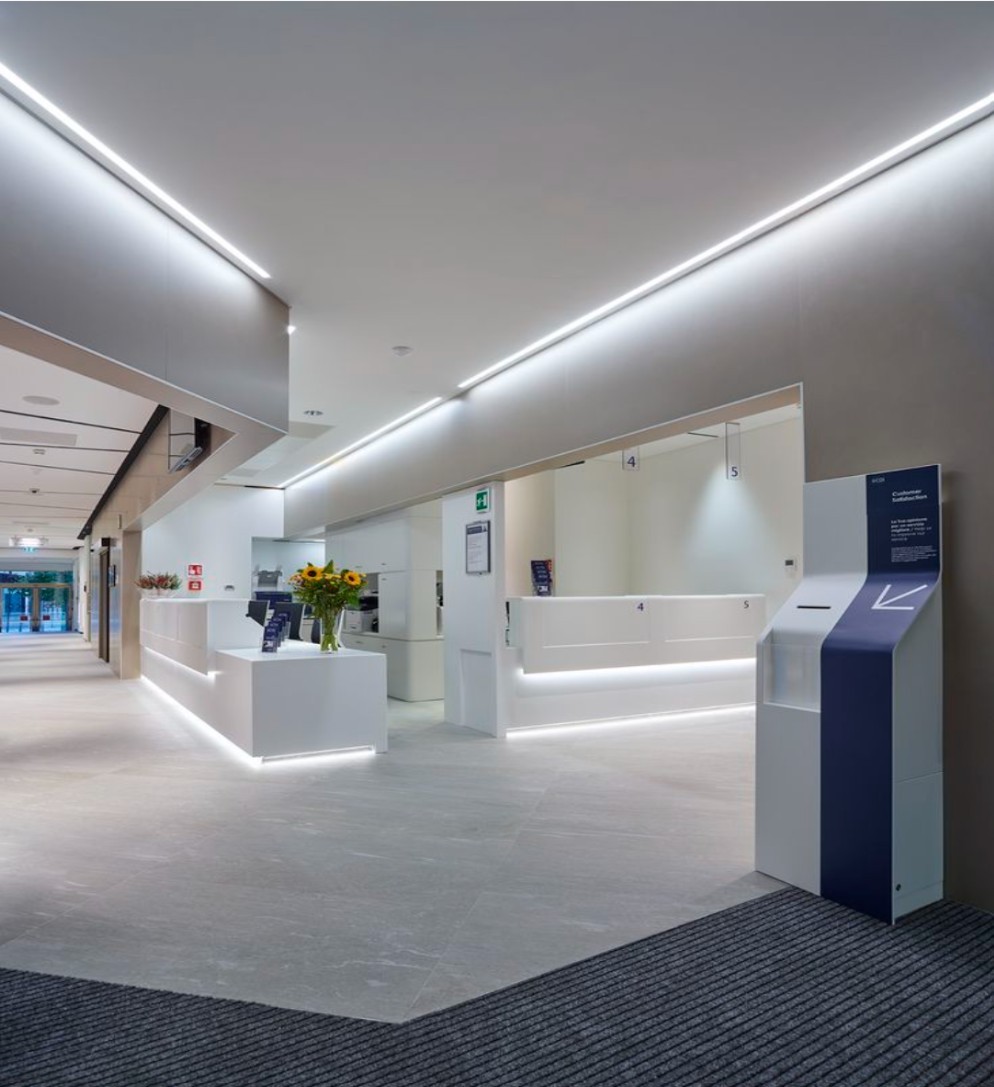
When we enter a pa
tient's room filled with natural light, you feel a sense of warmth. Whereas, just imagine you entering a room with harsh fluorescent lighting, you could feel cold and stressful. Patient rooms are at the heart of any hospital. These spaces must balance functionality with comfort. Natural daylight during the day helps regulate circadian rhythms, giving patients better sleep and aiding recovery. At night, dimmable, warm-toned lighting provides a calming atmosphere, preventing disruption to rest while still allowing staff to carry out essential care.
Light — especially the short-wavelength (blue) portion of the spectrum — reaches the eye and signals the suprachiasmatic nucleus (the brain’s master clock). That signal suppresses melatonin in daytime, promotes alertness, and helps entrain (sync) sleep–wake cycles to the 24-hour day. Mis-timed or insufficient daytime light disrupts sleep and hormone cycles, which can impair mood, cognition, and recovery. Good daytime light exposure (bright and vertically delivered to the eye) helps patients fall asleep at night and sleep more deeply. Better sleep supports immune function, wound healing, and mood — all relevant for hospital recovery.
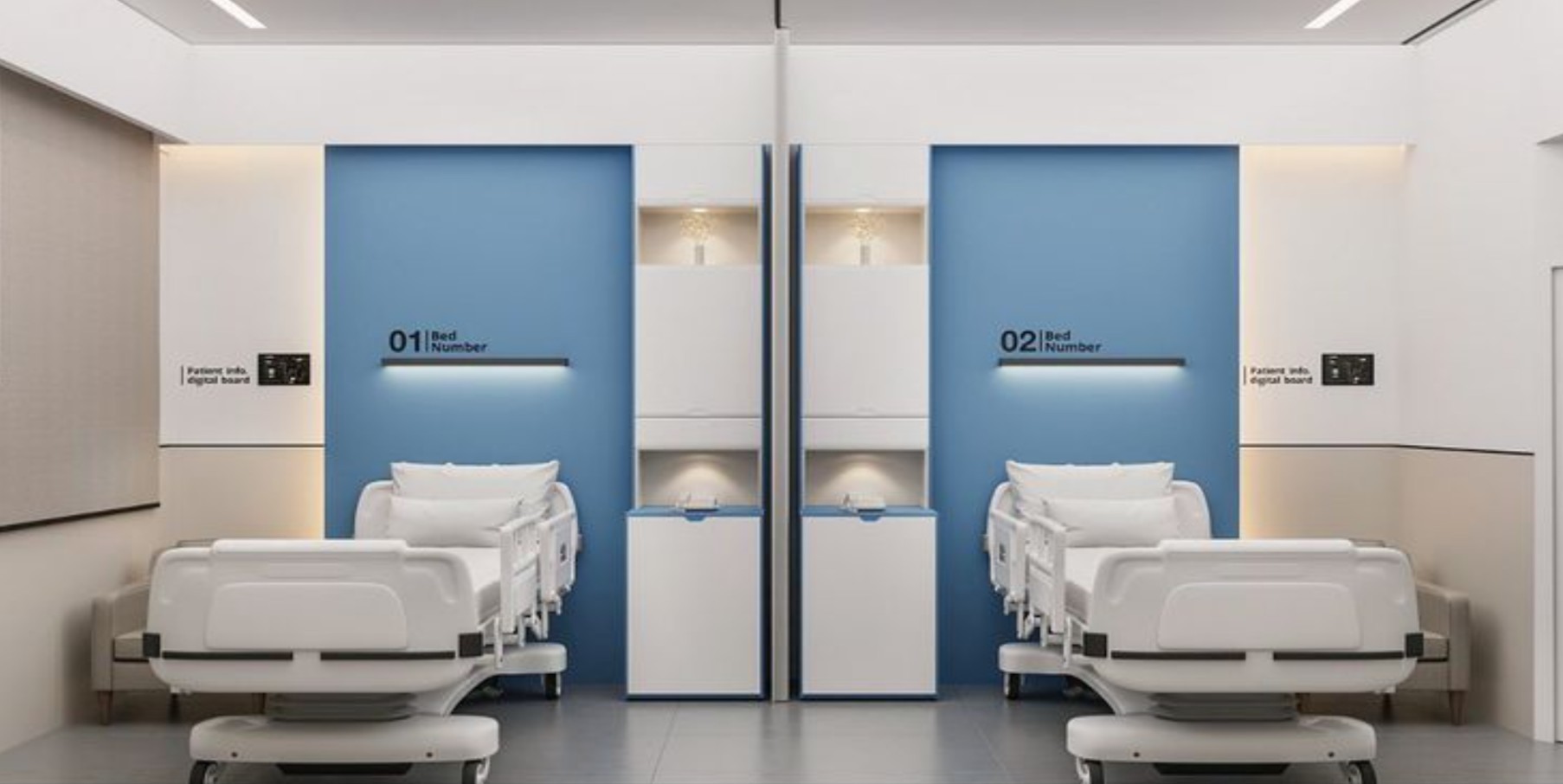
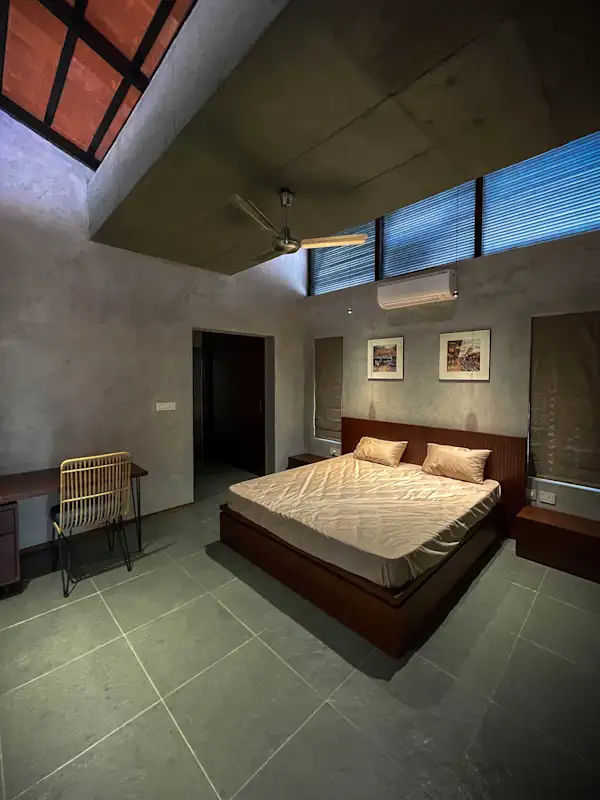
When designing hospitals, the architectural strategy for lighting goes beyond aesthetics—it is about harnessing natural and artificial light to improve patient comfort and staff efficiency. Carefully positioned windows allow for maximum daylight penetration without glare, while skylights and light wells can bring natural light into deep-plan areas that otherwise remain dim. Clerestories—windows placed high on the walls near the roofline—are especially useful in hospitals because they let in daylight while maintaining privacy for patients and staff. Light shelves, which are horizontal surfaces placed either inside or outside a window, help reflect daylight onto the ceiling and push it deeper into the room. This reduces the need for artificial lighting, prevents glare near the windows, and ensures a more balanced, softer illumination throughout the space. Together, these elements ensure that natural light reaches critical spaces like patient rooms, recovery areas, and circulation zones, creating an uplifting environment that supports healing, reduces energy consumption, and enhances overall well-being.
Beyond architecture, lighting design guided by technology and standards enhances the experience even further. Daylight simulations and modeling tools help predict how natural and artificial light will behave, ensuring patients benefit from improved mood and regulated sleep cycles while staff avoid glare and fatigue. Metrics such as lux levels, color temperature, and color rendering index are carefully calibrated—patient rooms often require 100–300 lux with warm tones for relaxation, while operating theaters demand 1,000–10,000 lux and cooler tones to maintain staff alertness and precision; a high CRI above 90 ensures skin tones, wounds, and charts appear accurately. Human-centric lighting systems, using tunable LEDs, mimic the body’s circadian rhythm by providing cooler, energizing light in the morning